All Categories
Featured
Comparative Study On the United States Marketing Metrics
Dexterity matters more than perfection. Markets are moving faster, and competitive pressures can change rapidly. Developing a culture where your group is encouraged to pivot when brand-new information becomes readily available assists guarantee your techniques stay appropriate. The most efficient business are those that review and revise their strategies routinely in action to fresh rival intelligence.
Comprehending these restrictions helps guarantee that your findings are interpreted correctly and utilized carefully. Not all rival data is public or trustworthy. Some organizations may utilize several brand names or channels that make tracking difficult. Others might limit disclosures in financial reports or marketing products. Constantly cross-check details from several sources and use credible tools to reduce mistakes.
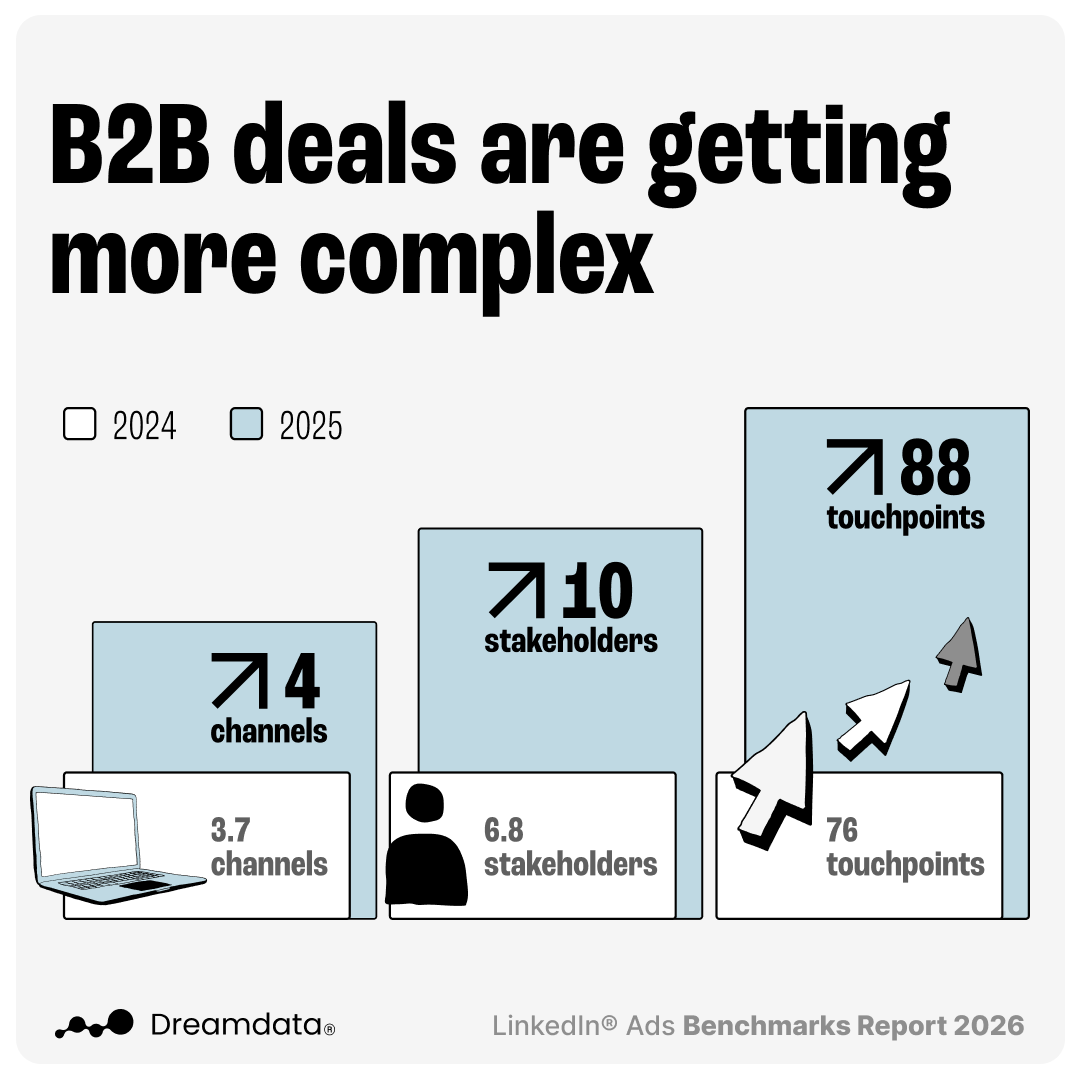
[target1:anchor_exact1]Instead of developing worth, companies may end up chasing trends. This method waters down brand identity and often leads to tactical confusion. A well-rounded analysis includes both competitive intelligence and a strong understanding of your core worth proposal. With many tools and metrics available, teams can become overwhelmed. Too much data without a clear structure can result in decision paralysis.
A typical mistake is seeing competitive research in isolation. Your analysis must sit within a more comprehensive market research and competitive analysis method.
[target2:anchor_exact1]As competitors heightens throughout industries, the way services approach competitive market analysis is undergoing a remarkable shift. Conventional approaches of keeping an eye on rivals are being enhancedor in many cases, replacedby advanced, technology-driven approaches. For brands intending to lead rather than follow, comprehending and embracing these emerging patterns is no longer optional.

Latest Posts

Life Insurance for Service Members

Evaluating IUL Benefits for Retirement

Benefits of Whole Life Insurance for Families